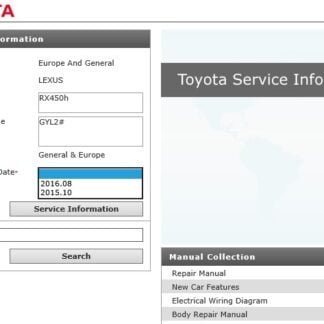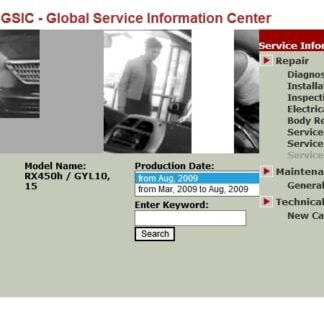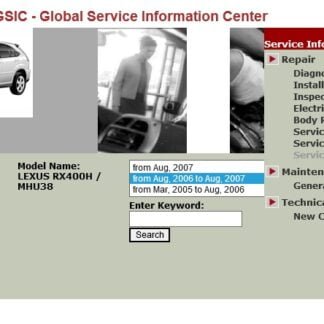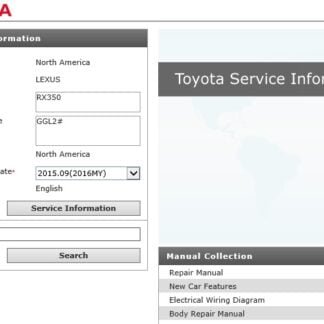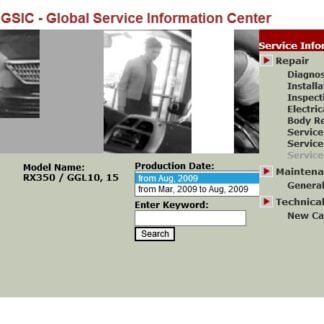
Owning a Lexus is more than just a status symbol; it’s an investment in quality and performance. To ensure your vehicle runs smoothly, it’s crucial to understand the operation and maintenance of your Lexus engine. This comprehensive guide will provide insights into your engine’s components, essential operational steps, maintenance tips, and solutions for common issues. By becoming familiar with these aspects, you not only enhance your driving experience but also extend the lifespan of your vehicle. For more detailed information, refer to the official manuals at Lexus Manuals.
Understanding Your Lexus Engine Components
A Lexus engine is a sophisticated piece of machinery designed to deliver power, efficiency, and reliability. At its core, the engine comprises several critical components, including the cylinder block, cylinder head, pistons, crankshaft, and camshaft. Each part plays a vital role in the engine’s operation. For instance, the cylinder block houses the pistons and crankshaft, which work together to convert fuel into mechanical energy. Understanding these components helps in diagnosing potential issues and ensuring optimal performance.
The fuel system is another crucial part of the Lexus engine. It includes the fuel tank, fuel pump, injectors, and lines that deliver fuel to the engine. Efficient fuel delivery and combustion are essential for maintaining power and efficiency. Additionally, the exhaust system, which comprises the exhaust manifold, catalytic converter, and muffler, plays a key role in reducing emissions and noise while improving engine performance.
The cooling system, consisting of the radiator, water pump, and thermostat, regulates the engine’s temperature to prevent overheating. It ensures the engine operates within a safe temperature range, thereby avoiding damage due to excess heat. Lastly, the electrical system, including the battery and alternator, provides the necessary power for ignition and other electronic components. Familiarity with these systems allows for better maintenance and troubleshooting.
For a more detailed breakdown of each component, refer to the Lexus Manuals. These manuals offer diagrams and explanations that provide a deeper understanding of how each part functions within the engine system.
Key Steps in Lexus Engine Operation
Operating a Lexus engine efficiently begins with understanding the ignition process. The ignition system, comprising the spark plugs, ignition coils, and control module, initiates the combustion process. This system must be in top condition to ensure that the engine starts smoothly and runs efficiently. Regular checks and replacements of spark plugs and ignition coils are crucial for maintaining performance.
Another critical step in engine operation is managing the air-fuel mixture. The engine control unit (ECU) continuously monitors and adjusts this mixture to optimize performance and fuel efficiency. It uses data from various sensors, including oxygen sensors and mass airflow sensors, to make these adjustments. Understanding how these sensors work helps in diagnosing issues related to poor fuel economy or reduced engine power.
The timing system, consisting of the timing belt or chain, ensures that the camshaft and crankshaft are synchronized. This synchronization is crucial for the engine’s valves to open and close at the correct intervals, allowing for efficient combustion. Regular inspection of the timing belt or chain is necessary to prevent potential engine damage due to misalignment or wear.
For further guidance on operating your Lexus engine, consult the Lexus Manuals. These manuals provide step-by-step instructions and illustrations that can help you understand the intricacies of engine operation.
Routine Lexus Engine Maintenance Tips
Routine maintenance is key to ensuring the longevity and performance of your Lexus engine. One of the most important maintenance tasks is regular oil changes. Engine oil lubricates the moving parts, reduces friction, and helps dissipate heat. It’s advisable to follow the oil change intervals recommended in your vehicle’s manual to maintain optimal engine health.
Checking and replacing the air filter is another essential maintenance task. A clean air filter ensures that the engine receives an adequate supply of clean air, which is necessary for efficient combustion. A clogged air filter can lead to reduced engine performance and increased fuel consumption. Regular inspections and timely replacements can prevent these issues.
The cooling system also requires regular attention. Checking the coolant level and condition, as well as inspecting the radiator and hoses for leaks, helps prevent overheating. Additionally, flushing the cooling system at recommended intervals ensures that it remains free of contaminants that can cause corrosion and blockages.
Routine inspections of belts and hoses for signs of wear and tear are also crucial. These components are vital for the operation of various engine systems, and their failure can lead to significant engine damage. For detailed maintenance schedules and procedures, refer to the Lexus Manuals.
Troubleshooting Common Lexus Engine Issues
Despite regular maintenance, you may encounter common engine issues that require troubleshooting. One such issue is engine misfires, which can result from faulty spark plugs, ignition coils, or fuel injectors. Diagnosing the root cause involves checking these components and replacing any that are defective.
Another common problem is poor fuel economy, often caused by a malfunctioning oxygen sensor or dirty air filter. Identifying the exact cause can involve using diagnostic tools to read error codes from the ECU. Addressing these issues promptly can restore fuel efficiency and engine performance.
Overheating is another issue that can arise due to a failing thermostat, coolant leak, or malfunctioning radiator fan. Identifying the cause requires a thorough inspection of the cooling system components. Timely repairs are essential to prevent engine damage due to excessive heat.
If the engine fails to start, the issue may lie with the battery, alternator, or starter motor. Checking the battery charge, inspecting connections, and testing the alternator output are steps that can help diagnose the problem. For more detailed troubleshooting guides, consult the Lexus Manuals, which offer comprehensive solutions to common engine issues.
By understanding the operation and maintenance of your Lexus engine, you can ensure its longevity and performance. Familiarity with engine components, operational steps, routine maintenance, and troubleshooting techniques empowers you to address issues promptly and effectively. This knowledge not only enhances your driving experience but also protects your investment. For more in-depth information and guidance, always refer to the official Lexus Manuals. Embrace the journey of becoming a more informed Lexus owner and enjoy the unparalleled performance that your vehicle has to offer.